


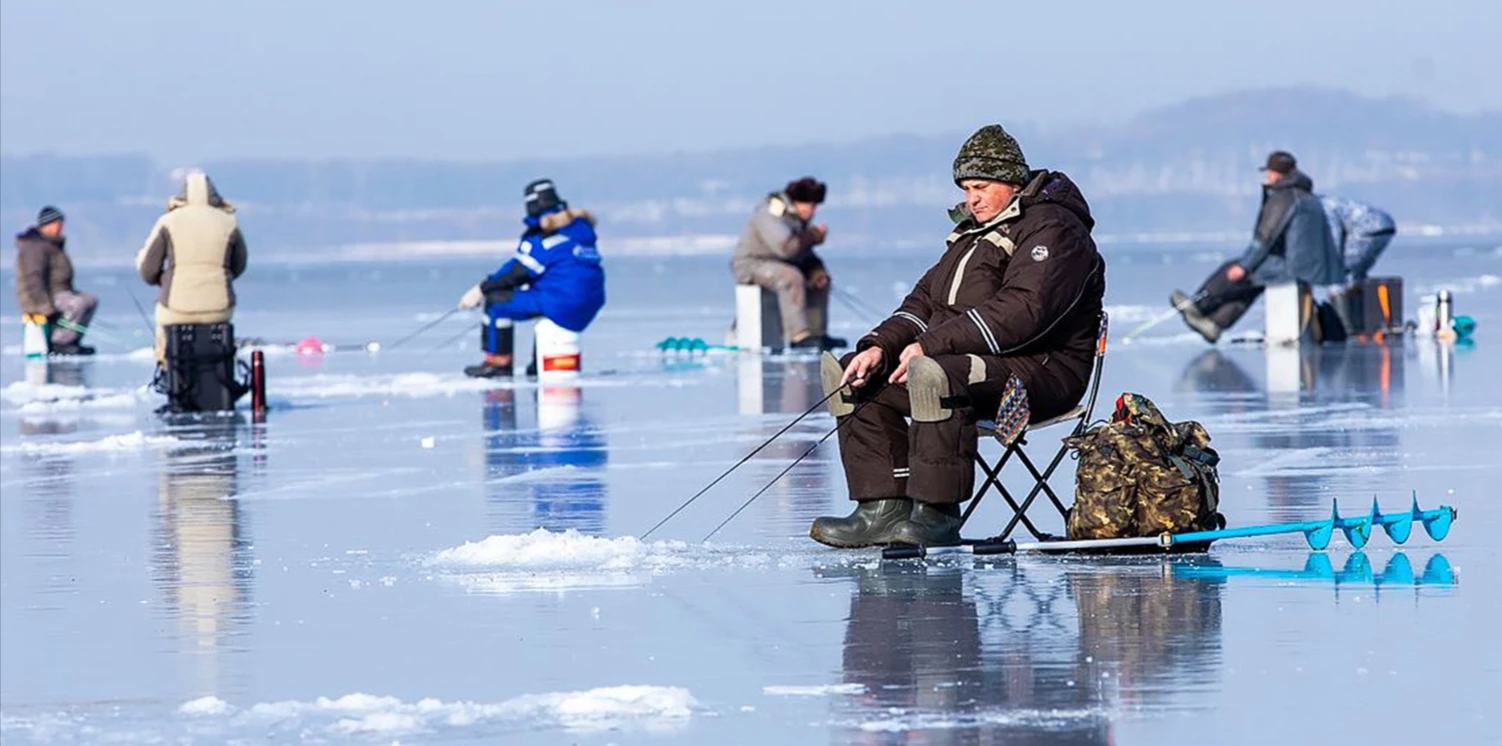

Picture this: the world is a crisp, white wonderland, the air bites at your cheeks, and the only sound is the whisper of wind across frozen water. You’ve got a thermos of something hot, a bucket full of worms, and the unwavering optimism of an ice angler. But then, a gust of wind reminds you just how extreme these conditions can get. It’s not just about landing the monster pike; it’s about coming home with all your fingers and toes. That’s where mastering Ice Fishing Safety and Gear Essentials for Extreme Conditions isn’t just smart, it’s downright heroic. Forget the flimsy gloves and the single thermal layer; we’re talking about outsmarting Mother Nature herself.
Why Your Usual Winter Wear Won’t Cut It on the Frozen Frontier
Let’s be honest, a brisk walk in the park on a chilly day is a far cry from a full day parked on a frozen lake, especially when the wind feels like it’s trying to chisel you into a permanent ice sculpture. The temperatures can plummet, ice conditions can be unpredictable, and a simple chill can quickly escalate into a dangerous situation. This is precisely why we need to dive deep into Ice Fishing Safety and Gear Essentials for Extreme Conditions. It’s about respecting the environment and ensuring your adventure remains a joyous one, not a cautionary tale whispered around campfires.
The Unsung Heroes: Your Extreme Weather Ice Fishing Wardrobe
When you’re battling sub-zero temperatures, layering isn’t just a suggestion; it’s your personal force field against the cold. Think of it like a well-designed onion, but instead of making you cry, it keeps you remarkably comfortable.

Layering Like a Pro: More Than Just Pretty Layers
The Base Layer: Moisture Management is Key. This is your next-to-skin layer, and its primary job is to wick away sweat. Cotton is the enemy here – it holds moisture and makes you colder. Opt for merino wool or synthetic materials. They might feel a bit pricey, but trust me, your tootsies will thank you.
The Mid Layer: Insulation Station. This is where the warmth comes from. Fleece, down, or synthetic insulation vests and jackets are your go-to here. You want something that traps air and keeps that body heat where it belongs – inside you.
The Outer Shell: Your Shield Against the Elements. This is your waterproof and windproof guardian. It needs to be tough enough to withstand blowing snow and biting winds. Look for jackets and bibs with good breathability so you don’t end up a sweaty mess on the inside, paradoxically freezing from the inside out.
Extremities: The Forgotten Frontiers. Don’t skimp on your hands, feet, and head.
Gloves/Mittens: Waterproof, insulated mittens are generally warmer than gloves, as your fingers can share heat. Consider bringing a spare pair.
Footwear: Insulated, waterproof boots are non-negotiable. Make sure they aren’t too tight with thick socks, as this restricts circulation.
Headwear: A warm hat that covers your ears is crucial. A balaclava or neck gaiter can also be a lifesaver against wind.
Gadgets and Gizmos: Beyond the Rod and Reel
Beyond the basics of staying warm, specific gear can elevate your ice fishing experience from “survivable” to “spectacular.” This is where the “gear essentials” part of Ice Fishing Safety and Gear Essentials for Extreme Conditions truly shines.
#### What’s in the Tackle Box (Besides Bait)?
Auger: Whether manual or powered, a good auger is vital for cutting through ice. A sharp auger makes the job significantly easier and safer.
Ice Spud/Chisel: Before you commit to drilling, use an ice spud to test the ice thickness. This simple tool can save you from a very unwelcome plunge.
Safety Picks: These are your lifeline if you do fall through the ice. Always wear them around your neck or attached to your jacket. They give you something to grab onto to pull yourself out.
Flotation Suit: While not for everyone, a good flotation suit provides both warmth and buoyancy, significantly increasing your chances of survival if you end up in the water.
Portable Shelter/Shack: These can be a game-changer, providing a windbreak and a warmer environment to fish from. Some are even heated!
Headlamp/Lantern: Days are short in winter. A reliable light source is essential for setting up, packing up, and spotting your lines.
First-Aid Kit: A well-stocked kit is always a wise companion, especially in remote locations.
The Ice Itself: Your Most Important Safety Checklist
Let’s talk about the frozen highway you’re traversing. The ice is your platform, but it can also be your worst nightmare if you’re not paying attention. Understanding ice thickness and conditions is paramount.
#### When is Ice “Safe Enough” to Be Out There?
This is the million-dollar question, and the answer is never a simple number. Ice thickness is influenced by a myriad of factors, including water depth, currents, temperature fluctuations, and snow cover. Here’s a general, very cautious guideline:
At Least 4 Inches: For a single person walking on clear, solid ice.
At Least 8 Inches: For a group of people walking on ice.
At Least 12 Inches: For a light vehicle (snowmobile, ATV).
At Least 15-20 Inches: For a car.
However, a huge caveat: Never rely solely on thickness. Always look for signs of weak ice, such as cracks, open water nearby, slush, or ice that looks discolored (darker ice is weaker). If in doubt, don’t go out. It’s much better to be disappointed by the lack of fishing than to become a permanent fixture in the lake. I’ve seen “safe” ice turn questionable overnight due to sudden thaws, so that constant vigilance is key.
Staying Connected and Prepared: The Unseen but Crucial Gear
Beyond physical warmth and ice assessment, there’s a whole other layer of safety preparedness.
#### Beyond the Layers: Communication and Navigation
Communication Device: A fully charged cell phone is essential. Consider a satellite messenger or personal locator beacon (PLB) if you’re venturing into areas with no cell service. Let someone know your exact location and when you expect to be back.
Navigation Tools: A GPS device or even a compass and map can be invaluable if visibility drops or you get turned around.
Buddy System: Never fish alone, especially in extreme conditions. Having a partner means help is immediately available if something goes wrong.
Wrapping Up: Your Ice Fishing Legacy Starts with a Safe Return
Mastering Ice Fishing Safety and Gear Essentials for Extreme Conditions is a continuous learning process. It’s about respecting the power of nature, investing in quality gear that won’t let you down, and always, always* prioritizing your well-being. The thrill of catching a fish through the ice is immense, but the satisfaction of knowing you tackled the elements responsibly and made it home safe to tell the tale? That’s the real prize. So, gear up wisely, check that ice diligently, and may your lines be tight and your adventures safe!


