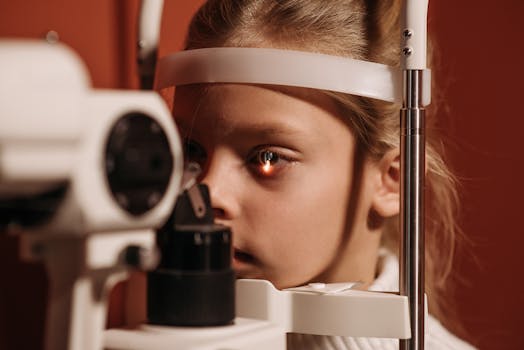
Let’s cut to the chase: most of us take our vision for granted until something’s wrong. We think of “good vision” as simply seeing clearly enough to pass an eye exam. But true vision health is a far more dynamic and crucial element of our overall well-being, impacting everything from our independence to our cognitive function. It’s not just about what you see, but how you see, and the proactive steps you can take to ensure that ability remains sharp throughout your life. Forget the passive approach; it’s time for an actionable plan.
Why “Good Vision” Isn’t Just About Sharpness
Many people associate “good vision” with achieving a perfect 20/20 score. While that’s a benchmark for clarity, it’s a narrow definition. Optimal vision encompasses a broader spectrum:
Peripheral Awareness: Noticing what’s happening around you.
Depth Perception: Accurately judging distances.
Color Vision: Distinguishing hues correctly.
Light Sensitivity: Adapting to varying light conditions without discomfort.
Eye Comfort: Freedom from strain, dryness, or fatigue.
When any of these components falter, even if your central acuity remains 20/20, your quality of life can be significantly diminished. Think about the subtle but constant effort required to navigate a crowded room or the anxiety of driving at night if these aspects are compromised.
The Daily Habits That Build a Stronger Vision Foundation
You don’t need a magic potion; you need a consistent routine. Incorporating these simple practices into your day can have a profound impact on your long-term vision health.
#### Nourish Your Eyes from Within
What you eat directly fuels your eye cells. Think of it as feeding your vision.
Embrace Omega-3 Fatty Acids: Found in fatty fish (salmon, mackerel), flaxseeds, and walnuts, these are crucial for retinal health and can help combat dry eye syndrome.
Load Up on Antioxidants: Leafy greens like spinach and kale, colorful fruits (berries, oranges), and eggs are packed with vitamins A, C, E, and lutein/zeaxanthin. These compounds act like internal sunglasses, protecting your eyes from damaging free radicals.
Hydration is Key: Dehydration can lead to dry eyes and general eye discomfort. Aim for at least 8 glasses of water a day.
#### The “20-20-20” Rule: A Micro-Break for Your Eyes
For anyone spending significant time on screens, this is non-negotiable. It’s incredibly simple, yet remarkably effective at preventing digital eye strain.
Every 20 minutes: Look at something 20 feet away.
For at least 20 seconds: Let your eyes relax and refocus.
I’ve found that setting a simple timer on your phone or computer makes this habit stick. It’s a small interruption that prevents a much larger issue of chronic eye fatigue.
Protecting Your Vision from Environmental Threats
Our eyes are constantly exposed to external stressors that can take a toll over time. Proactive protection is paramount.
#### Shielding Against UV Rays
Just like your skin, your eyes can suffer damage from ultraviolet (UV) radiation. Prolonged exposure is linked to cataracts and macular degeneration.
Wear Sunglasses: Choose sunglasses that block 99-100% of both UVA and UVB rays. This applies even on cloudy days, as UV rays can penetrate cloud cover.
Consider UV-Protective Contact Lenses: Many modern contact lenses offer built-in UV protection.
#### The Importance of Proper Lighting
Working or reading in inadequate lighting forces your eyes to work harder, leading to strain and fatigue.
Natural Light is Best: Whenever possible, position yourself near a window.
Adequate Task Lighting: For reading or close-up work, ensure you have a focused light source that illuminates the area without creating glare.
Avoid Glare: Position screens to minimize reflections from windows or overhead lights.
Understanding Your Risk Factors and Getting Regular Check-ups
Your individual vision health journey is unique. Knowing your risks and staying informed is a powerful part of maintaining good vision.
#### Genetic Predispositions and Lifestyle Choices
Some vision conditions, like certain forms of glaucoma or macular degeneration, can run in families. However, lifestyle choices play a massive role in mitigating these risks.
Quit Smoking: Smoking is a significant risk factor for macular degeneration, cataracts, and optic nerve damage.
* Manage Chronic Health Conditions: Diabetes and high blood pressure can severely impact eye health. Keeping these conditions under control through proper medical management is crucial.
#### The Underrated Power of an Annual Eye Exam
An annual comprehensive eye exam is more than just getting a new prescription. Your eye doctor can detect early signs of serious eye diseases, sometimes before you even experience symptoms. This proactive approach to vision care can save your sight. Don’t postpone it – it’s an investment in your future clarity.
Final Thoughts: Proactive Vision is Empowering Vision
The most impactful way to ensure your vision remains strong is to move beyond simply reacting to problems. Embrace these practical strategies daily – from the nutrients you consume to the breaks you take and the protection you offer your eyes. Your vision is a gift; treat it with the consistent care it deserves, and it will continue to serve you beautifully for years to come.
About the Author