
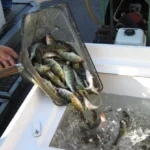

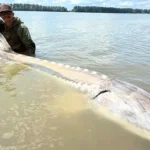
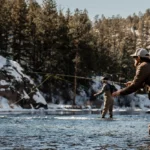

Did you know that many anglers stick to targeting just one or two species per trip, often missing out on a wealth of angling opportunities? The thrill of a multi-species fishing adventure lies not just in the potential for diverse catches, but in the strategic planning that makes it possible. It’s about understanding ecosystems, bait preferences, and timing to unlock a water body’s full potential. Planning trips to maximize variety isn’t about luck; it’s about informed decisions and adaptable strategies.
Why Chase More Than One Fish? The Allure of Variety
The beauty of multi-species fishing is the constant challenge and the element of surprise. One moment you might be casting for aggressive bass, and the next, you’re battling a powerful pike or finesse-rigging for elusive walleye. This approach keeps your skills sharp and your mind engaged. Furthermore, targeting multiple species often means you’re better prepared for changing conditions. If your primary target isn’t biting, you have backup plans and alternative species to pursue, ensuring a productive day on the water. It’s about maximizing your time and enjoyment, regardless of what the fish are doing.
Laying the Groundwork: Researching Your Multi-Species Hotspots
Effective multi-species fishing adventures: planning trips to maximize variety begins long before you launch your boat. Deep dive into the potential of your chosen waters.

Understand the Ecosystem: What species coexist in this lake or river? Are they predators and prey? Do they share similar habitat preferences at certain times of the year? Knowing this is foundational. For example, areas with submerged vegetation might hold bass and panfish, while deeper channels could be prime for walleye or catfish.
Consult Local Knowledge: Online forums, local bait shops, and state wildlife agencies are invaluable resources. They can provide insights into which species are most prevalent and where they tend to congregate during different seasons. Don’t underestimate the power of a quick chat with a seasoned local angler.
Seasonal Patterns are Key: Fish behavior, and therefore where you find them, changes dramatically with the seasons. Spring might offer spawning opportunities for several species in shallow areas. Summer could push fish deeper, requiring different tactics for various species. Autumn often brings active feeding periods across the board.
Gear Up for Diversity: Selecting Versatile Tackle
When you’re not committed to a single species, your tackle box needs to be a well-stocked arsenal. The goal is versatility without overpacking.
Rod and Reel Combos: Instead of specialized setups for every possible fish, opt for versatile rod and reel combinations. A medium-action spinning rod (6’6″ to 7’3″) paired with a reliable spinning reel can handle a surprising range of species, from panfish to smaller bass and walleye. For heavier applications, a medium-heavy baitcasting setup can be your go-to for pike and larger predators.
Lure and Bait Selection: Pack a diverse range of lures that mimic different forage and work at various depths.
Jigs: These are incredibly versatile and can be tipped with plastics or bait to target bass, walleye, panfish, and more.
Spinnerbaits and Buzzbaits: Excellent for covering water and attracting aggressive strikes from bass and pike.
Soft Plastics: Worms, craws, and swimbaits can be rigged in numerous ways for a multitude of species.
Crankbaits: Different sizes and diving depths are crucial for reaching fish in various layers of the water column.
Live Bait: Minnows, worms, and crayfish can be irresistible to many freshwater species and are often the best bet when artificials aren’t cutting it.
Line and Terminal Tackle: Carry a few different line strengths. A 6-10 lb test monofilament or fluorocarbon is great for general purposes, while a 15-20 lb test might be necessary for toothier fish. Ensure you have a good assortment of hooks, swivels, and weights.
Strategic Trip Planning: Maximizing Your Opportunities
This is where the true art of multi-species fishing adventures: planning trips to maximize variety comes into play. It’s about structuring your day for success.
Time of Day Matters: Different species are active at different times. For instance, walleye often feed best at dawn and dusk, while bass might be more active mid-day. Plan your fishing sessions accordingly. You might start your morning targeting a species active in low light, then switch to another as the sun climbs higher.
Map Your Zones: Identify areas within a lake or river that are known to hold specific species. For example, shallow weed beds for bass and panfish, deeper drop-offs for walleye, or rocky points for trout. Plan a route that allows you to efficiently move between these zones.
Adaptability is Paramount: The best laid plans can go awry. If your initial target species isn’t cooperating, don’t be afraid to switch gears. If the bass are holding tight to structure, but you’re seeing baitfish activity near the surface, it might be a prime opportunity to cast for white bass or even an opportunistic walleye.
Beyond the Catch: Enjoying the Entire Experience
Ultimately, a successful multi-species fishing adventure isn’t just about the number of species you catch. It’s about the immersion in nature, the learning process, and the sheer enjoyment of the challenge.
Document Your Catches: Take photos, note the species, size, and location. This data can be invaluable for future trips.
Practice Catch and Release: Especially for less common species or when dealing with multiple species in one outing, responsible angling practices are key to ensuring healthy fish populations for years to come.
* Celebrate the Diversity: Appreciate the unique characteristics and fighting styles of each fish you encounter.
Wrapping Up
Embarking on multi-species fishing adventures: planning trips to maximize variety is a rewarding endeavor for any angler. It requires a blend of preparation, adaptability, and a genuine appreciation for the diverse aquatic life our waters hold. By dedicating time to research, selecting versatile gear, and strategically planning your approach, you can transform a good fishing trip into an exceptional one, filled with the thrill of encountering a wide array of species and honing your angling skills across the board. So, step outside the box, embrace the variety, and go explore the incredible diversity waiting for you on the water.


