

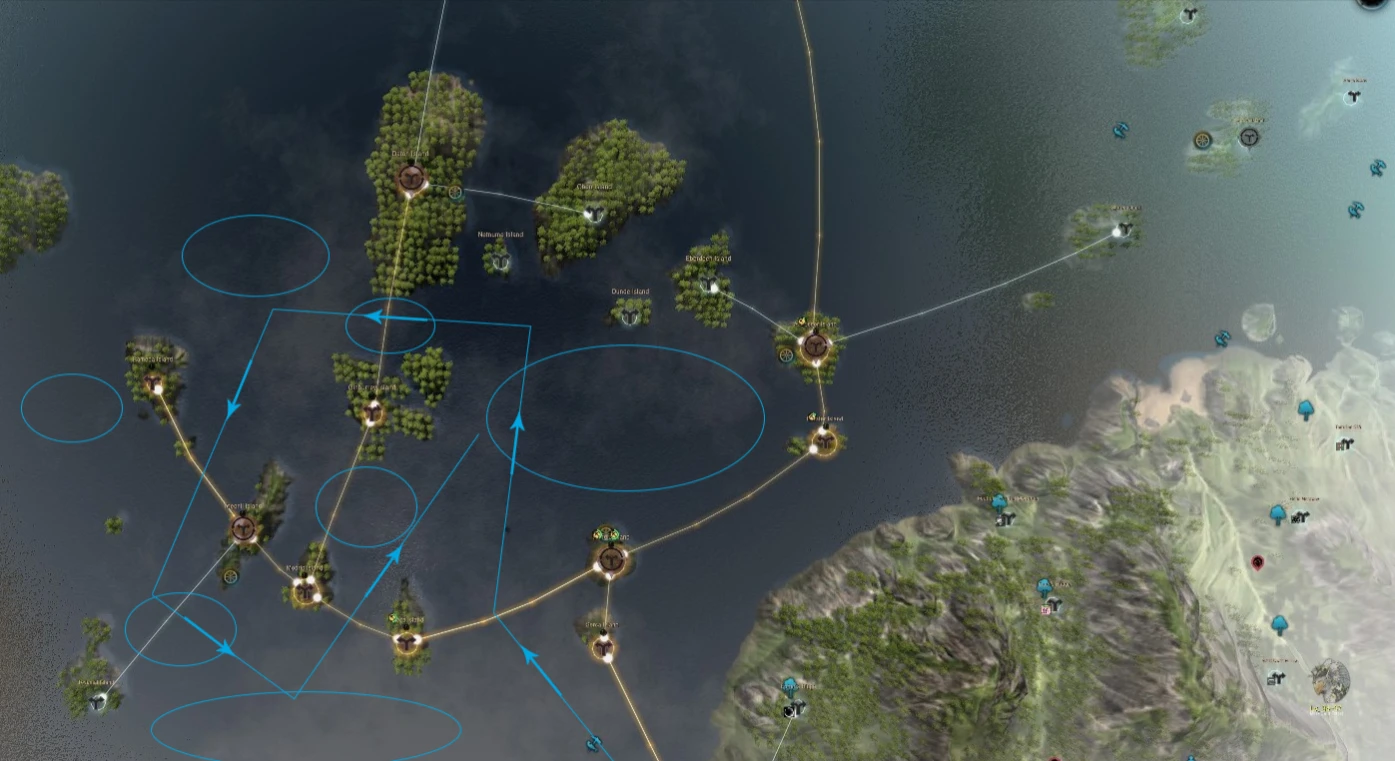

Imagine this: you’ve spent hours poring over old fishing logs, weather charts, and local whispers, trying to pinpoint where the big ones are biting. You head out, full of hope, only to find yourself in a quiet spot, the echo of your lure the only sound. Frustrating, right? For too long, anglers have relied on intuition, experience, and a bit of luck. But what if there was a way to significantly boost your odds, a method that leverages cutting-edge technology to reveal the underwater secrets? This is where the power of Using Artificial Intelligence Tools for Mapping Fish Hotspots comes into play, transforming how we approach fishing.
This isn’t about replacing the thrill of the chase or the satisfaction of a well-earned catch. Instead, it’s about augmenting your skills with data-driven insights. By embracing AI, we can move beyond educated guesses and into a realm of precise predictions, making every fishing trip more efficient and, frankly, more successful.
The Data Deluge: What AI Can See That We Can’t
Think about all the environmental factors that influence fish behavior: water temperature, dissolved oxygen levels, current speed, underwater topography, even the presence of baitfish. Historically, tracking and correlating these variables across vast bodies of water was a Herculean task. Now, AI can process and analyze immense datasets from various sources at speeds and scales previously unimaginable.

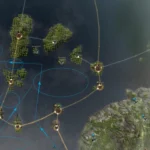
Sonar and Bathymetry: Advanced sonar units, often integrated with GPS, generate detailed underwater maps. AI algorithms can process this raw sonar data, identifying submerged structures, weed beds, and drop-offs that fish commonly associate with.
Environmental Sensors: Data from buoys, satellites, and even smaller, deployable sensors provide real-time information on water quality. AI can spot patterns in temperature shifts, oxygen gradients, and turbidity that signal prime feeding zones.
Historical Catch Data: Your own logs, club records, and even public databases can be fed into AI models. When combined with environmental data, AI can learn which conditions historically led to successful catches in specific locations.
By synthesizing these diverse data streams, AI tools can create dynamic, predictive maps that highlight areas with the highest probability of holding fish, rather than just static points of interest. This predictive capability is a game-changer for anyone serious about Using Artificial Intelligence Tools for Mapping Fish Hotspots.
From Guesswork to Precision: How AI Algorithms Work Their Magic
So, how does this “magic” actually happen? At its core, AI uses machine learning algorithms to identify complex relationships within data that human analysis might miss.
#### Unpacking Predictive Models
When we talk about Using Artificial Intelligence Tools for Mapping Fish Hotspots, we’re often referring to sophisticated predictive models. These models are trained on historical data – think past catches, environmental readings, and physical geography.
- Feature Identification: The AI first learns to identify key “features” or variables that are strongly correlated with fish presence. This could be a specific temperature range in conjunction with a particular depth and a nearby structure.
- Pattern Recognition: It then searches for these patterns in new, incoming data. If a certain combination of factors is repeatedly found in areas where fish were caught, the AI assigns a higher probability score to similar areas.
- Dynamic Mapping: The output isn’t just a static map. AI-powered systems can update these hotspot maps in near real-time as new environmental data becomes available, reflecting changing conditions.
It’s fascinating to see how AI can tease out subtle correlations. For instance, I’ve often found that while a general temperature is important, the rate of change in temperature over a 24-hour period can be an even stronger indicator for certain species – something an AI can easily quantify.
Actionable Insights for the Modern Angler
Let’s get practical. How can you start leveraging these tools? The good news is that AI is becoming more accessible, moving beyond complex academic research into user-friendly applications.
#### Embracing AI-Powered Fishing Apps and Software
A growing number of fishing apps and software platforms are integrating AI capabilities. These tools often provide an intuitive interface, making advanced data analysis accessible to the average angler.
Smart Fishing Apps: Look for apps that offer predictive mapping based on your location, weather forecasts, and even user-submitted catch data. Some can even suggest optimal fishing times.
Integrated Sonar Systems: Many modern fish finders and chartplotters are becoming “smarter.” They can analyze sonar returns to better differentiate between fish and structure, and some are beginning to incorporate AI for more nuanced interpretation of the underwater landscape.
Custom Data Integration: For the more technically inclined, some platforms allow you to upload your own historical catch data and combine it with publicly available environmental datasets to train personalized predictive models.
When selecting tools, consider the types of fish you target. Different species have different environmental preferences, and a good AI system should be able to account for these nuances.
Beyond the Catch: Environmental Stewardship and AI
The implications of Using Artificial Intelligence Tools for Mapping Fish Hotspots extend beyond just catching more fish. These technologies can play a crucial role in sustainable fishing practices and conservation efforts.
#### Promoting Responsible Angling Through Data
By understanding where fish are likely to congregate, we can also learn how to avoid overfishing specific areas. AI can help identify critical habitats that need protection and guide anglers towards less sensitive spots, promoting a more balanced approach.
Habitat Identification: AI can help map out critical spawning grounds or nursery areas, allowing for targeted conservation measures.
Sustainable Harvesting: By predicting fish populations and distribution, AI can inform fisheries management, helping to set quotas and fishing seasons that ensure long-term sustainability.
Reducing Environmental Impact: More efficient fishing trips mean less fuel consumption and less time spent searching, directly contributing to a smaller environmental footprint.
It’s about fishing smarter, not just harder*. This intelligence can be a powerful force for good in maintaining healthy aquatic ecosystems for generations to come.
The Future of the Fray: Embracing the AI Advantage
The advent of AI in fishing isn’t a fad; it’s a fundamental shift. For those who embrace it, the rewards are significant: more efficient preparation, reduced frustration on the water, and ultimately, a higher success rate. It allows us to fish with a deeper understanding of the aquatic world, respecting its intricacies while harnessing its bounty responsibly.
So, don’t be intimidated by the technology. Start exploring the apps and tools available. Experiment with the data. The learning curve is gentler than you might think, and the payoff in terms of your angling success and your connection to the environment is immense. The future of finding fish is intelligent, and the time to adapt is now.


