

The rumble of traffic, the scent of exhaust fumes, the towering glass and steel – it’s easy to think of a city as a landscape devoid of natural bounty. Yet, nestled within these bustling metropolises lie pockets of aquatic life, often overlooked by anglers seeking more remote havens. These aren’t the sprawling wilderness lakes of legend, but rather city lakes and ponds, each presenting a unique challenge and an equally unique reward for the discerning angler. How do we unlock the potential of these often-pressured waters? It’s not just about casting a line; it’s about a nuanced approach, a keen observation, and a willingness to embrace the specificities of Urban Fishing: Adapting Techniques for City Lakes and Ponds.
The Urban Angler’s Paradox: High Pressure, High Potential
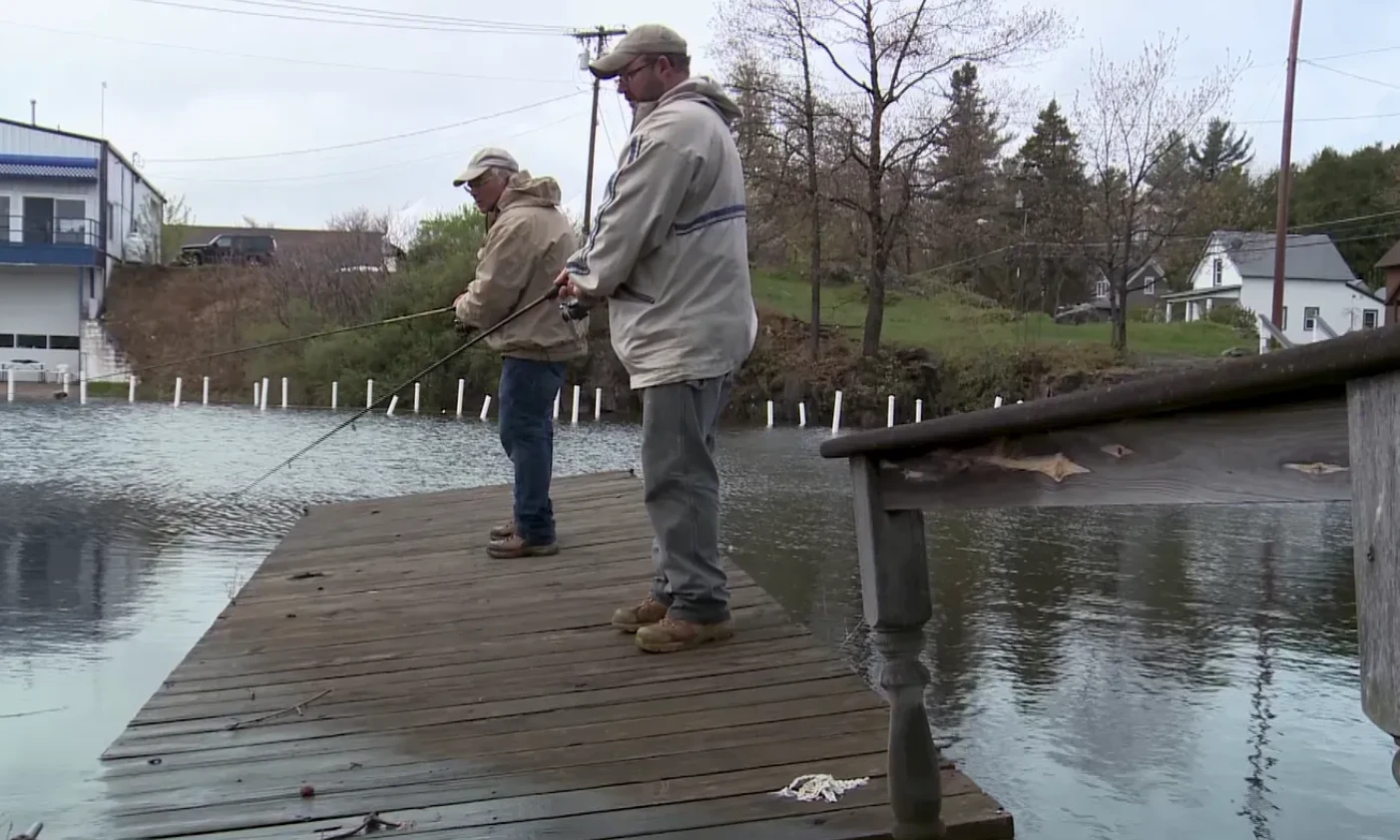
Think about it: a city pond might be surrounded by park benches, jogging paths, and even a busy road. This constant human presence, the noise, the disturbance – it can make you wonder if anything actually survives in there, let alone thrives. The paradox is that this very pressure often shapes the fish in fascinating ways. They become wary, educated, and sometimes, surprisingly accessible if you understand their unique environment. It’s this fascinating dynamic that makes Urban Fishing: Adapting Techniques for City Lakes and Ponds such an intriguing pursuit.
In my experience, the key isn’t to fight the urban environment, but to work with it. The fish have adapted to the sounds of sirens, the shadows of buildings, and the presence of people. Your approach needs to mirror this adaptability.

Rethinking Your Gear: Less is Often More
When you picture a vast, open lake, you might envision a boat, multiple rods, and a tackle box overflowing with options. For urban settings, however, a more minimalist approach often yields better results.
Rod and Reel: A versatile medium-action spinning rod (6-7 feet) paired with a reliable reel is usually sufficient. You’re unlikely to be battling a leviathan, but you still need enough backbone for a decent fight and accurate casting in tight spaces.
Line: Consider using fluorocarbon or monofilament line in a subtle color. In clear urban waters, visible lines can spook wary fish.
Tackle: This is where adaptability truly shines. Instead of bulky rigs, focus on compact, natural-looking presentations. Small jigs, finesse worms, and subtle inline spinners can be incredibly effective. Think about what might mimic the small insects or invertebrates that are readily available in an urban aquatic ecosystem.
The goal here isn’t to impress with a vast arsenal, but to present a subtle, enticing offering that doesn’t scream “predator” to a fish accustomed to human observation.
Unlocking the Structure: Navigating Submerged Cities
City ponds and lakes, despite their artificial origins, often develop surprisingly complex underwater structures. These are the hidden highways and hiding places for urban fish.
Beyond the Obvious: Finding Hidden Bass Havens
Many urban lakes are stocked with bass, and while they might seem omnipresent, their preferred spots can be surprisingly predictable once you know what to look for.
Lily Pad Fields: These provide excellent shade and cover. Cast into the edges, not just around them.
Submerged Docks and Pilings: Bass love the structure and ambush points these offer. A well-placed jig or a Texas-rigged worm can work wonders.
Culvert Pipes and Bridge Supports: These create current breaks and offer significant shelter. Approach these areas with stealth.
Overhanging Vegetation: Trees and bushes leaning over the water provide shade and a natural food source. Fish often patrol the edges of this cover.
It’s about looking beyond the manicured banks and imagining the underwater landscape. What features are there that a fish would use for safety, for hunting, or for resting? This is a core element of Urban Fishing: Adapting Techniques for City Lakes and Ponds.
The Art of Stealth: Becoming a Shadow
In an urban environment, sound and movement are amplified. Fish are acutely aware of their surroundings, and a clumsy angler can quickly clear out a promising spot.
Minimize Footsteps: Walk softly along the bank. Avoid slamming gear or dropping tackle.
Quiet Retrieves: Reel in your line smoothly. Avoid sudden jerks or loud splashes.
Cast Accurately: Practice casting to avoid the “plop” of a lure hitting the water far from your intended target. Aim for precision, especially when targeting pockets of cover.
Observe the Water: Look for subtle signs of fish activity – rings, boils, or even the flash of scales.
Think of yourself less as an intruder and more as a silent observer. The more you blend in with the environment, the more opportunities you’ll create.
Timing and Tactics: When and How to Strike Gold
Understanding the subtle shifts in urban fish behavior is crucial. While general fishing principles apply, urban environments add unique variables.
Dawn and Dusk: These classic fishing periods are often amplified in urban settings. As the city quiets down, fish become more active, venturing into less pressured areas.
Overcast Days: Cloudy conditions can encourage fish to move closer to the surface and feed more aggressively, even in broad daylight.
Post-Rain: After a good rain, runoff can wash insects and food into the pond, triggering feeding frenzies. It also stirs up sediment, which can make your lure less visible and therefore more effective.
Targeting Panfish: Don’t overlook the abundance of bluegill, crappie, and perch. They are often plentiful and a fantastic way to experience success in urban waters, especially for beginners. A simple bobber and a small grub or worm can be incredibly effective.
The beauty of Urban Fishing: Adapting Techniques for City Lakes and Ponds is discovering these micro-patterns. It’s about learning the rhythm of the specific body of water you’re fishing.
Environmental Awareness: Fishing Responsibly in Our Backyards
Fishing in urban environments also carries a unique responsibility. We are guests in these shared spaces, and our actions reflect on all anglers.
Leave No Trace: Pack out everything you pack in. This includes all fishing line, tackle packaging, and any other litter.
Respect Wildlife and Nature: Avoid disturbing nesting birds or damaging vegetation.
Know the Regulations: Be aware of local fishing licenses, size limits, and bag limits. These are often in place to protect fragile urban ecosystems.
* Educate Others: Gently inform fellow park-goers about fishing ethics and responsible angling practices.
By embracing responsible angling, we help ensure that these urban fishing spots remain viable and enjoyable for generations to come. It’s about being a steward of these often-underappreciated aquatic resources.
The Urban Angler’s Edge: More Than Just a Hobby
Ultimately, Urban Fishing: Adapting Techniques for City Lakes and Ponds is about more than just catching fish. It’s about finding solace in the heart of the city, connecting with nature in unexpected places, and developing a deeper understanding of aquatic ecosystems, even those shaped by human hands. It’s a testament to nature’s resilience and our own ingenuity.
So, the next time you find yourself surrounded by concrete, remember the watery possibilities that lie just a stone’s throw away. Are you ready to explore the hidden angling potential right in your own urban backyard?


