


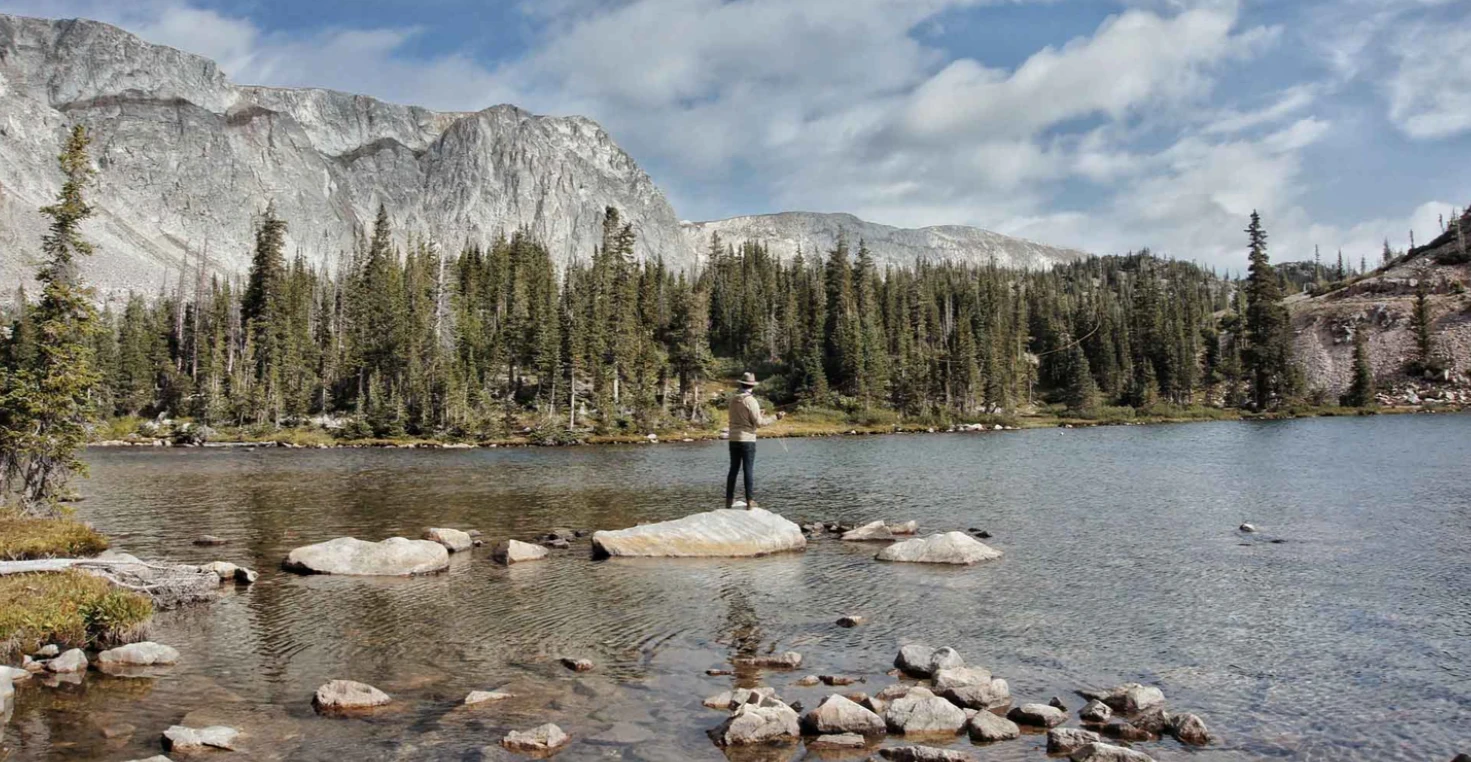

The air thins, the sun beats down with a crisp intensity, and the water is an unbelievable shade of turquoise. You’ve hiked miles, navigated rocky trails, and finally, you’re here: a pristine, high-altitude lake, brimming with the promise of a true leviathan. Targeting trophy trout in these remote aquatic jewels isn’t just fishing; it’s an expedition. It requires a different mindset, a refined skill set, and an understanding of how these wily giants thrive in such challenging environments. Forget the crowded streams; the real giants often lurk where few anglers venture.
Why Altitude Demands a New Approach
High-altitude lakes present a unique set of conditions that profoundly impact trout behavior and, consequently, our approach to catching them. Lower oxygen levels, extreme temperature fluctuations, and a sometimes-limited food web mean trout here are often more opportunistic and, frankly, more cautious. They’ve survived where others haven’t, making them formidable adversaries. Understanding these factors is the first step in successfully targeting trophy trout in high-altitude lakes.
#### The Oxygen Factor: A Deeper Dive

Trout, especially larger ones, are oxygen hogs. In these thinner atmospheres, dissolved oxygen levels can be lower, particularly during warmer periods. This often pushes larger fish into deeper, cooler water during the day. Early mornings and late evenings become prime time when surface temperatures drop and oxygen levels rise.
Unlocking the Lake’s Secrets: Scouting and Strategy
Before you even cast a line, significant prep work is key. “Blindly casting” into a vast alpine lake is a recipe for frustration.
Key Scouting and Preparation Steps
Map It Out: Utilize topographic maps and satellite imagery to identify potential holding spots. Look for drop-offs, submerged structures (like fallen trees or rock piles), and inlets/outlets.
Understand the Prey: What are the primary food sources in this specific lake? Are there scuds, leeches, minnows, or specific insect hatches? Matching your lure or fly to the dominant forage is paramount.
Time Your Visit: Weather patterns play a huge role. Overcast, windy days can be excellent, pushing baitfish closer to shore. Avoid calm, sunny mid-days when fish are likely hunkered down.
#### Navigating the Alpine Terrain
The journey to the lake is part of the experience. Be prepared for variable weather, strenuous hikes, and the need for lightweight, durable gear. The less energy you expend getting there, the more you have for fishing.
Mastering the Presentation: Lures and Flies That Produce
When targeting trophy trout in high-altitude lakes, the difference between a great day and a blank one often comes down to your offering. These fish see less pressure, but they are still discerning predators.
#### The Power of “Match the Hatch”
Forage Imitations: If the lake is known for kokanee or small trout, silver spoons and minnow-imitation streamers in the 3-5 inch range are deadly.
Subsurface Stars: Look towards larger nymphs, woolly buggers, and even articulated streamers that mimic larger food items like leeches or sculpins. These are often more effective than tiny dry flies at drawing out a big bite.
The Dragonfly Effect: In late summer, dragonfly nymphs become a significant food source. Large, dark nymphs or even mouse-pattern flies can be irresistible to large trout looking for a substantial meal.
#### Don’t Discount the Mighty Lure
For baitcasting or spinning enthusiasts, think larger profile lures.
Jigs: Deep-diving jigs or weighted soft plastics imitating crayfish or sculpins can probe the depths where big trout reside.
Spinnerbaits and Larger Spinners: A well-placed #4 or #5 inline spinner can cover water effectively and trigger strikes from opportunistic giants.
Presentation Techniques: Subtle is Often Best
How you present your offering can be as critical as what you offer.
#### Working the Depths
Trolling (If Permitted): If regulations allow, a slow troll with a downrigger or lead core line can effectively target deeper water.
Drifting and Casting: Cast upwind and let your lure or fly drift naturally with the current or wind. This imitates natural food delivery.
Stealth is Key: Remember, these are often clear, cold waters. Approach the shoreline slowly and deliberately, minimizing your silhouette and any disturbance.
Hooking and Landing Your High-Altitude Prize
The strike is exhilarating, but the fight with a big alpine trout can be brutal. They are strong, healthy, and have plenty of open water to run in.
#### The Crucial First Seconds
Set the Hook Firmly: Especially with artificial presentations, ensure a solid hookset.
Let Them Run: Don’t try to muscle a large trout immediately. Let it tire itself out a bit, but be ready to react.
Maintain Line Tension: Keep constant, steady pressure. This prevents the hook from dislodging and keeps the fish fighting.
#### Bringing Them to Hand (or Net)
Know Your Limits: Don’t over-exert yourself or the fish unnecessarily.
Minimize Handling: If releasing, handle the fish as little as possible, preferably in the water. Use a quality net designed for large fish.
The Ultimate Reward: More Than Just a Trophy
Targeting trophy trout in high-altitude lakes offers a profound connection with nature. The solitude, the breathtaking scenery, and the sheer challenge of outsmarting these magnificent fish create memories that last a lifetime. It’s a pursuit that demands respect for the environment and a deep appreciation for the wild places these giants call home. So, lace up those boots, pack your gear, and ascend to where the true giants swim. The effort is always worth the reward.


